

Introduction
Not very long ago, most businesses that finance-related processes were following a typical pattern that was well-known. It took a lot of time for payments to be made, approvals had to go through several layers, and financial insights were only available after the reports had been finalized. Quietly, across the world, this is the way that fintech is reshaping the reality. Businesses in different industries are changing the way they work, how they serve their customers, and how they make decisions because of financial technology.
Good news for the bank customers and the whole industry! Fintech solutions which were once only accessible to banks and startups are now going on to become the main drivers of the implementation of the concepts of efficiency, transparency, and innovation in the retail, manufacturing, healthcare, and logistics industries. While professionals delve into this transformation, a great number of them decide to get more organized knowledge either by taking a fintech course or an iim fintech course to understand the impact of these changes on business models.
Faster and Smarter Financial Operations
Speed is one of the most obvious changes that fintech has brought to the world. The old procedures that used to slow down the work have been changed to go through digital platforms.
For example, a small manufacturing company that was waiting for days to reconcile payments and manage cash flow. Now, with systems powered by fintech, all transactions are done in real time, which means that leaders have an immediate view of the company’s financial health. Hence, it becomes possible to plan more effectively and be less exposed to unexpected situations.
Businesses experience benefits such as
• Real time payment processing and reconciliation
• Faster approvals for expenses and vendor payments
• Improved cash flow management
These changes directly influence how companies plan growth and manage risk.
Redefining Customer Experience Across Industries
Fintech changed the standards that customers demand from businesses. No matter if it is a retail brand that is offering instant refunds or a service provider that is enabling flexible payment options, financial convenience has become a part of the customer experience.
Take the case of a healthcare provider who, by introducing digital payment options and transparent billing, often experiences the trust of patients being restored. Customers become more empowered when payments are made in a simple and clear manner.
The change indicates that fintech is no longer just a backend upgrade but a strategic instrument that influences brand perception and loyalty..
Data Driven Decision Making
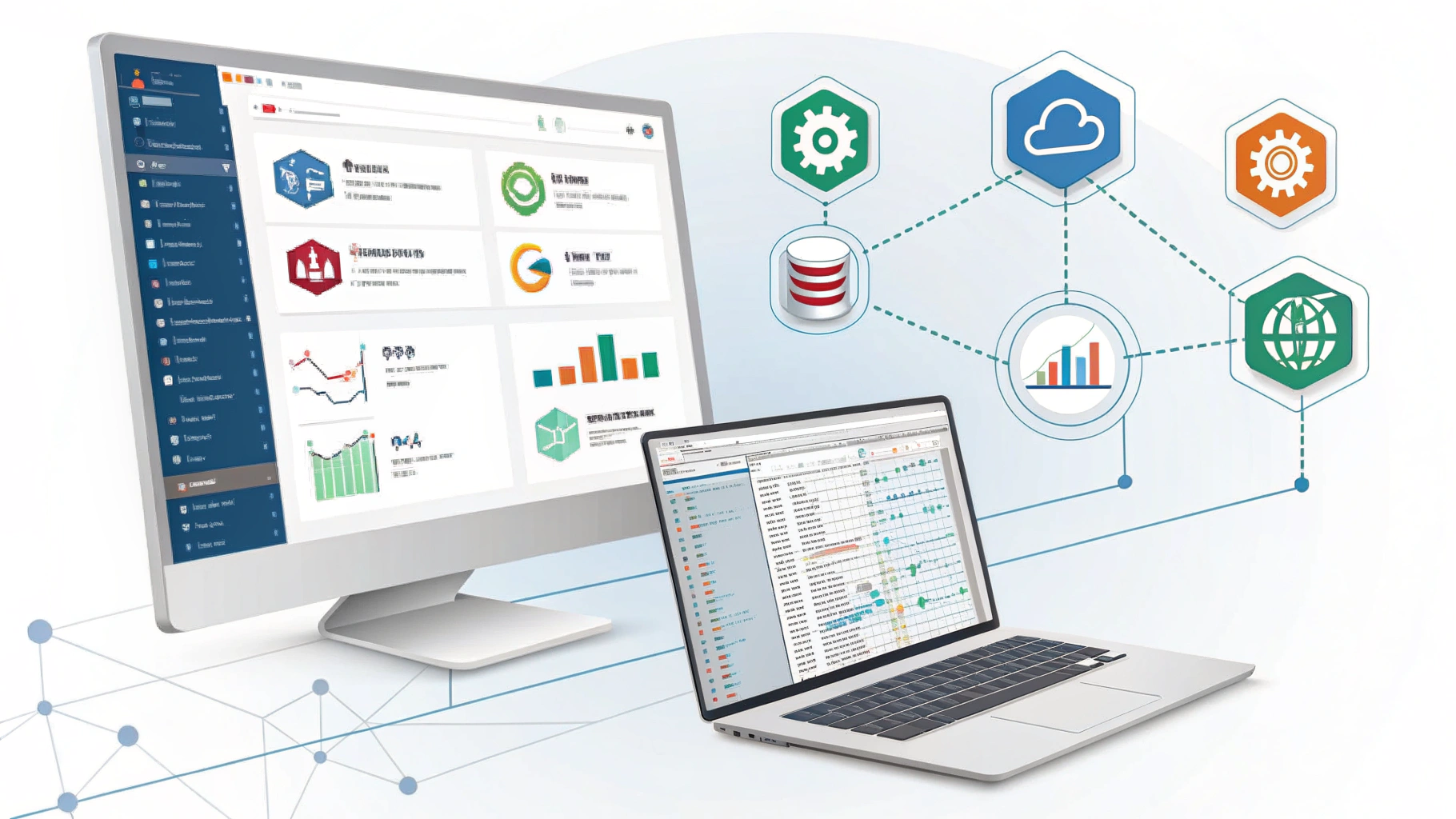
Traditional business decisions often relied on historical data and intuition. Fintech platforms now provide continuous insights that help leaders act with clarity.
A logistics company using fintech dashboards can track expenses, predict future costs, and adjust pricing strategies more confidently. Managers no longer wait for monthly summaries to understand performance.
This shift empowers professionals to
• Identify trends early
• Reduce financial blind spots
• Align strategy with real time insights
Learning to interpret and act on this data is a key focus area in any fintech course designed for business leaders.
Expanding Financial Access for Businesses
Financial technology (fintech) has revolutionized the way that financial services are delivered and made them accessible to different sectors. Companies which used to have a hard time getting the necessary funds or managing their credit now have a wider range of possibilities.
For example, a consumer brand which is rapidly growing might decide to utilize various financing platforms to manage the inventory cycles instead of depending only on banks or other financial institutions. This freedom gives the company the opportunity to react more quickly to market demand.
The availability of intelligent financial instruments is a source of great comfort to business owners as they can go on and grow their enterprises instead of being doubtful and hesitant..
Breaking Down Industry Silos
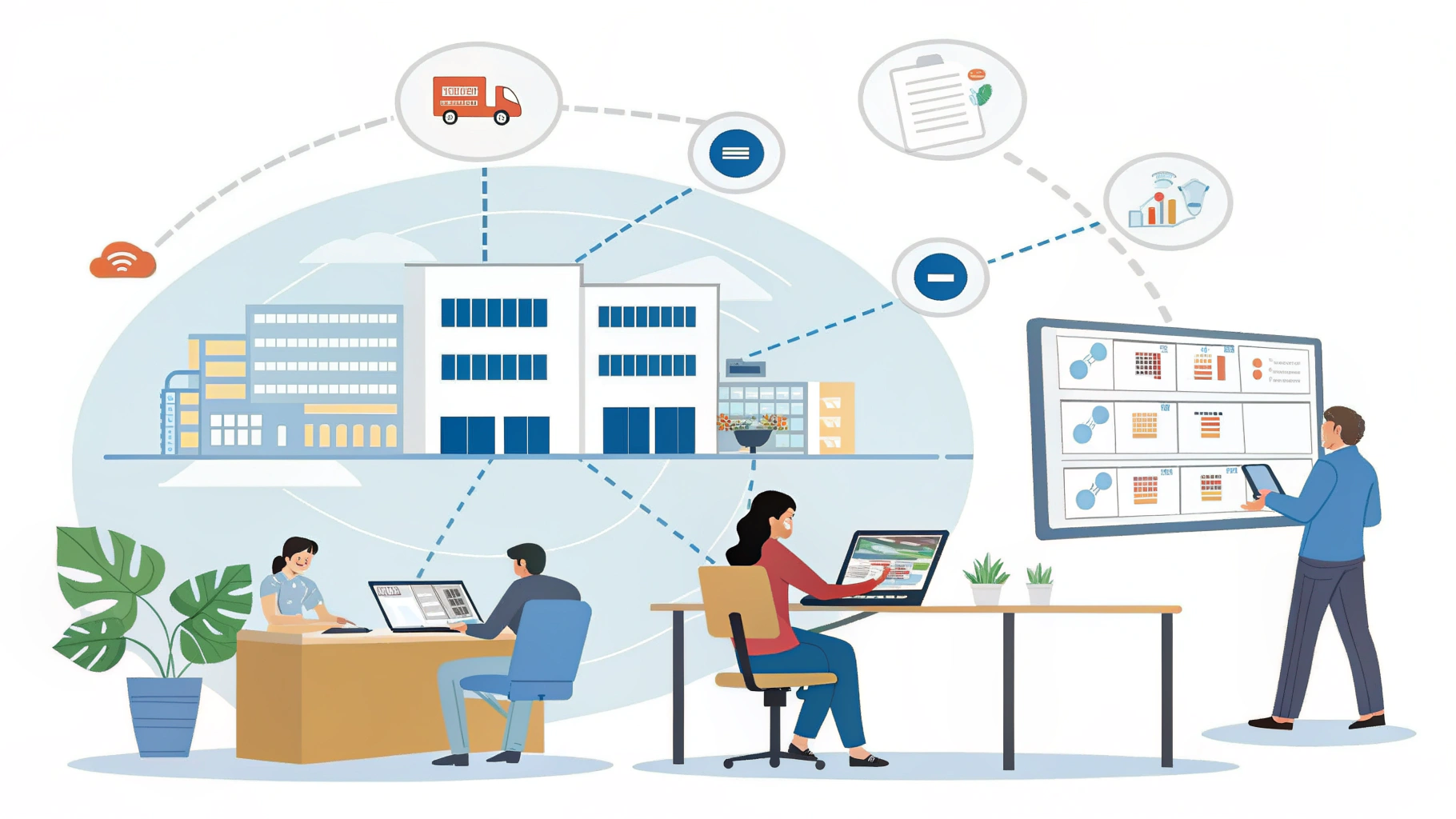
Perhaps one of the most intriguing effects of fintech is the way it links finance with various other departments. Finance is no longer a function that is kept separate in the accounting departments. In fact, it is now being combined with operations, marketing, and strategy very closely.
As an example, marketing departments may synchronize promotional activities with purchasing data so as to have a deeper comprehension of customer behavior. Operations departments may be able to predict their expenses with a lot more accuracy. This integration has changed the way organizations interact internally.
Employees who are aware of this network are often different from others which is the reason advanced programs like an iim fintech course focus on cross functional thinking.
Encouraging Innovation in Traditional Sectors
Industries that were once thought to be very slow to change have started to experiment with fintech solutions. To illustrate, manufacturing firms have gone digital with their invoicing processes. Educational institutions have introduced the payment methods that are more flexible and easier to use. Agribusinesses have started fintech platforms for supply chain financing.
At first, the changes may be barely noticeable but over time these new ways of doing business have the power to totally different the business models of the companies. Businesses evolve from having a fixed organization structure to a dynamic one that is capable of meeting the demands of the market.
The metamorphosis is a clear indication that fintech is not about substituting industries but rather giving them a better way to operate.
Changing Skill Expectations for Professionals
The rise of financial technology to reshape business models has led to a change in the expectations that companies have from the employees. Simply having knowledge of finance is not sufficient anymore. Employees also need to have an understanding of technology, be able to interpret data, and understand its strategic use.
Quite a number of working professionals acknowledge that formal education through a fintech course is instrumental in closing the gap. It gives them the ability to comprehend how the tools, rules, and business objectives come together.
Learners who decide to spend on education will have the ability to be the first movers in the change of the subject and not be forced to react to it.t.
Building Trust Through Transparency
Fintech is a big help in maintaining transparency in financial dealings. Detailed transaction histories, automated compliance checks, and digital records are some of the ways through which the trust of stakeholders is gained.
For example, a supplier who knows that a business is offering transparent payment timelines will feel more confident to continue his association with that business. Investors are attracted to companies which provide them with clear financial visibility. Trust, as a result, moves up to become a competitive advantage that is technology-driven.
Conclusion
Fintech is changing the way businesses operate financially. However, it is going further than that by changing the way they think, plan, and grow in different sectors. Through improving speed, access, insight, and customer experience, fintech is, in fact, breaking down the barriers of traditional business models in tangible and durable ways.
For professionals deciding how to deal with this upheaval, knowledge of fintech is an essential prerequisite. Whether it be through direct experience or via formal education like a fintech course or an iim fintech course, understanding this revolution is a way for professionals to keep their status of being up to date and make them feel secure.
As fintech keeps on changing, companies that decide to use it in a prudent manner will not only be able to adjust but also make a profit in a very dynamic market.













Leave a Reply